Wildlife
Sharing Space with Wild Animals
From bears and bison to moose, wolves, elk and otters, wildlife isn't just something we see here — it's part of what makes this place home.
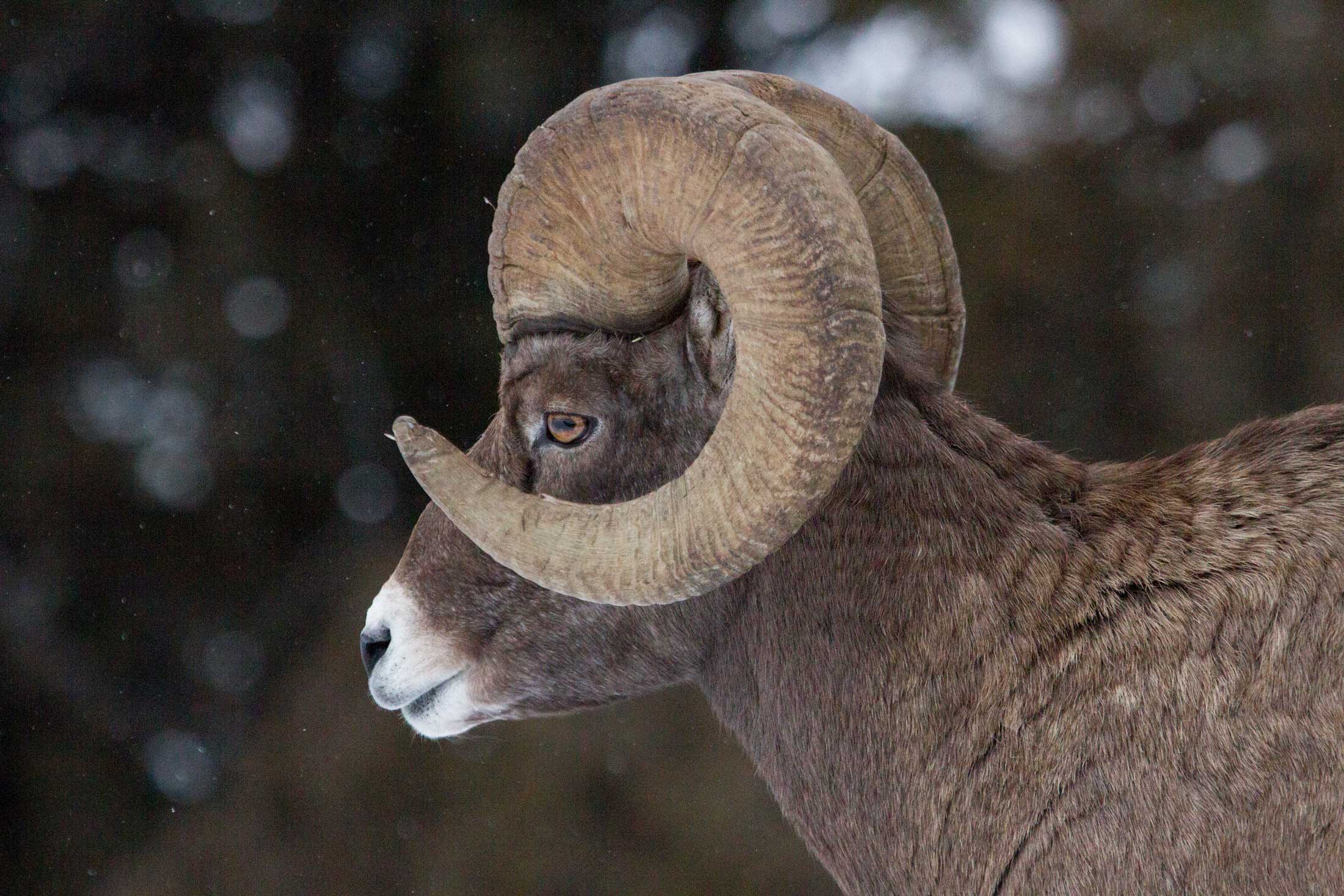
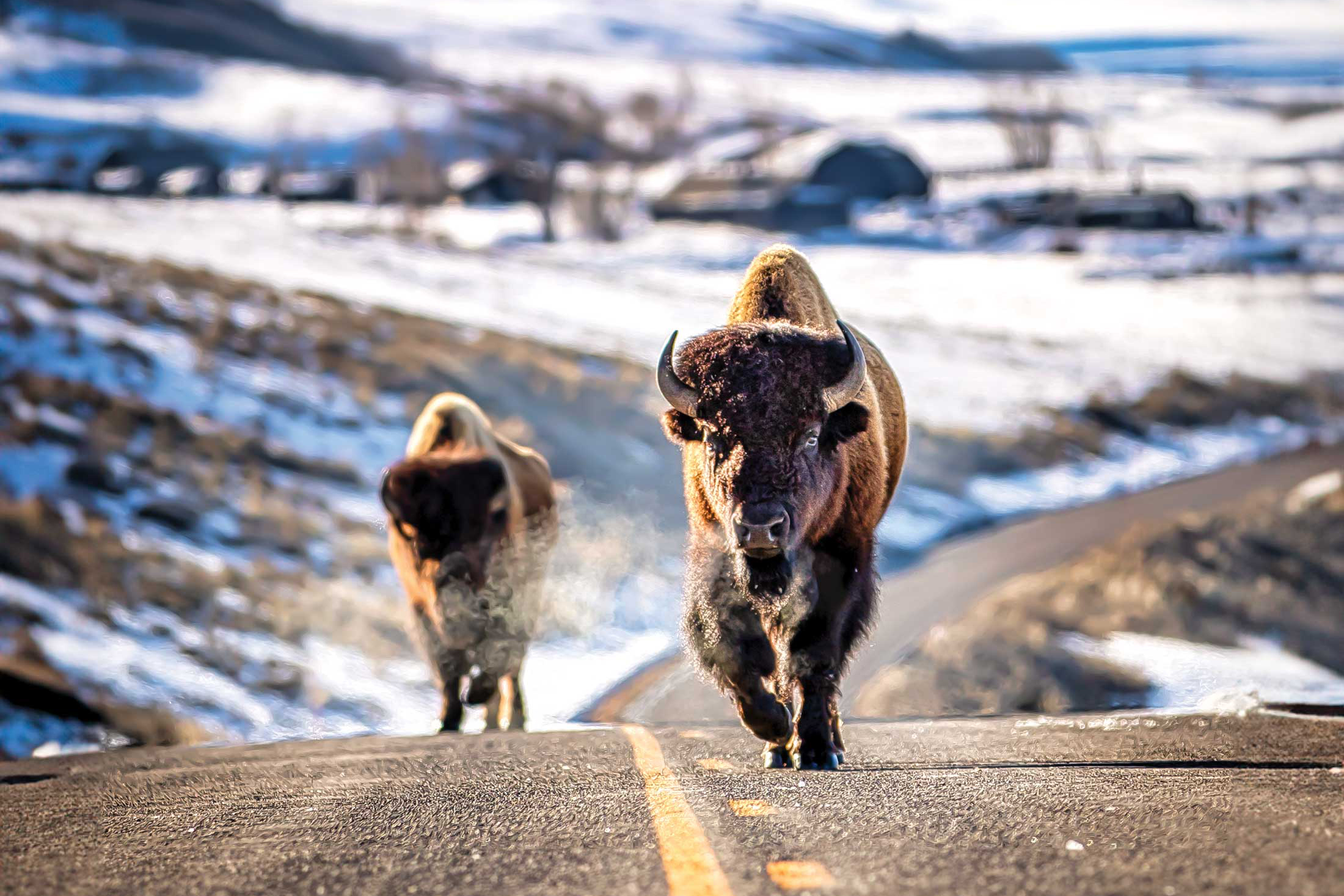
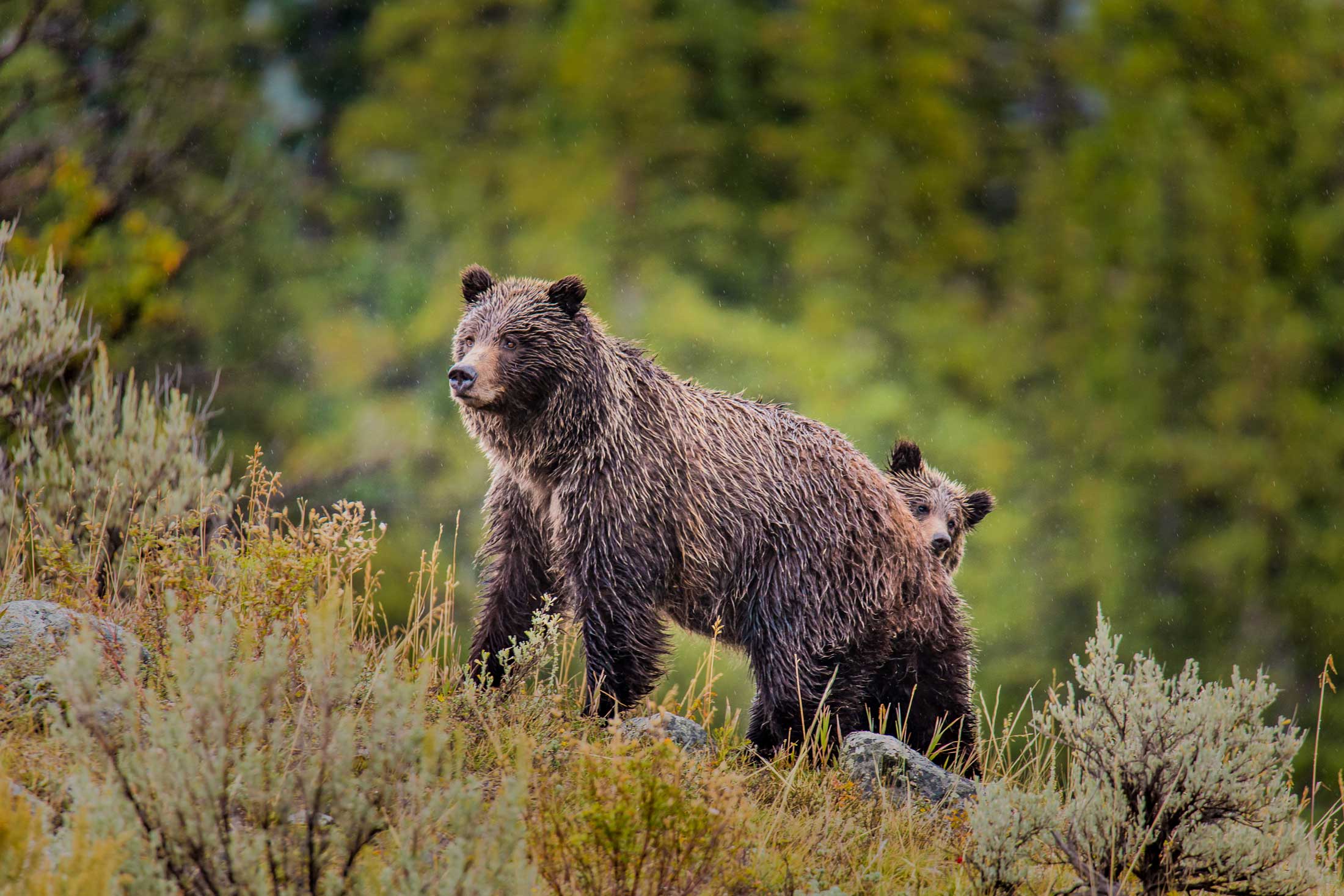
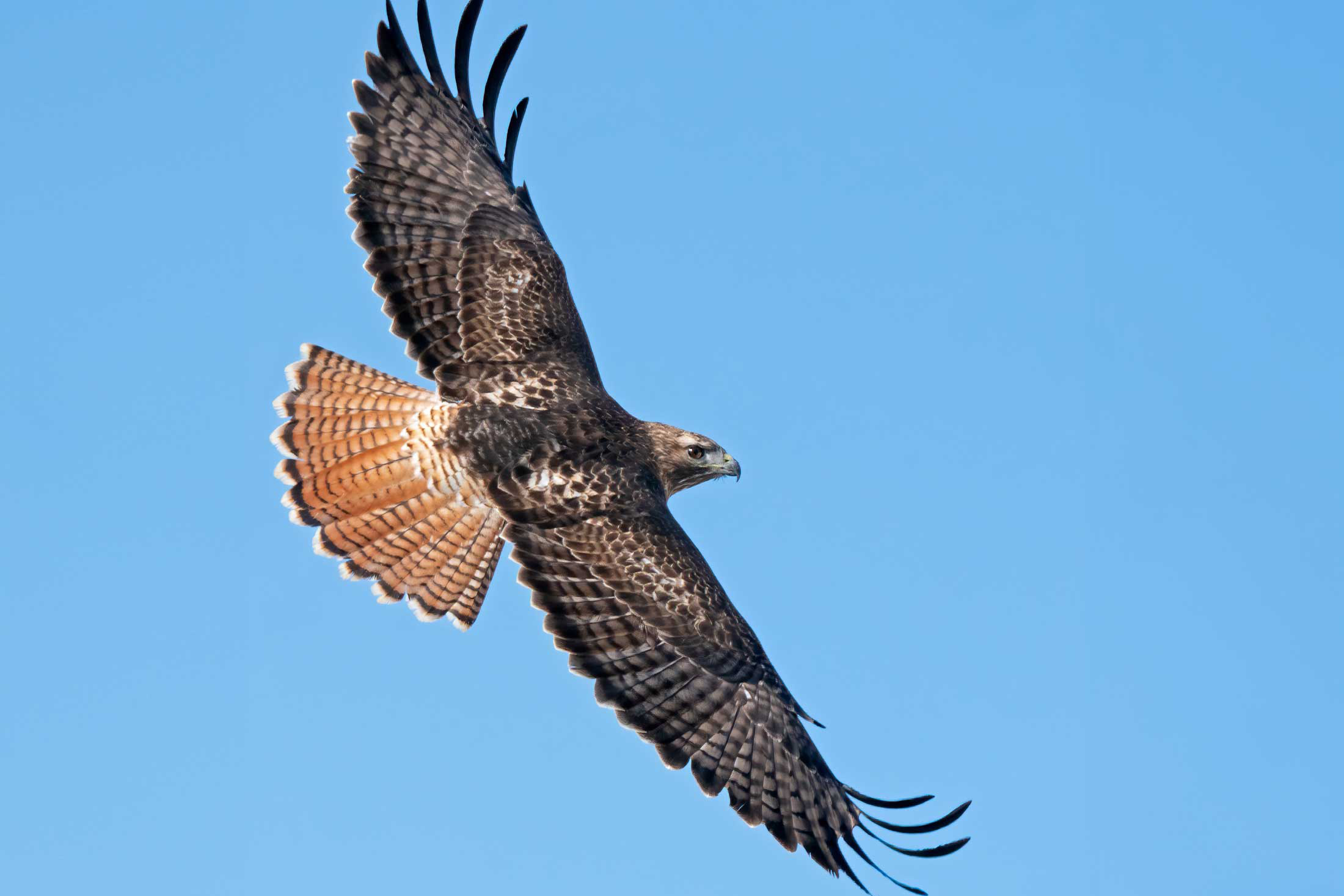
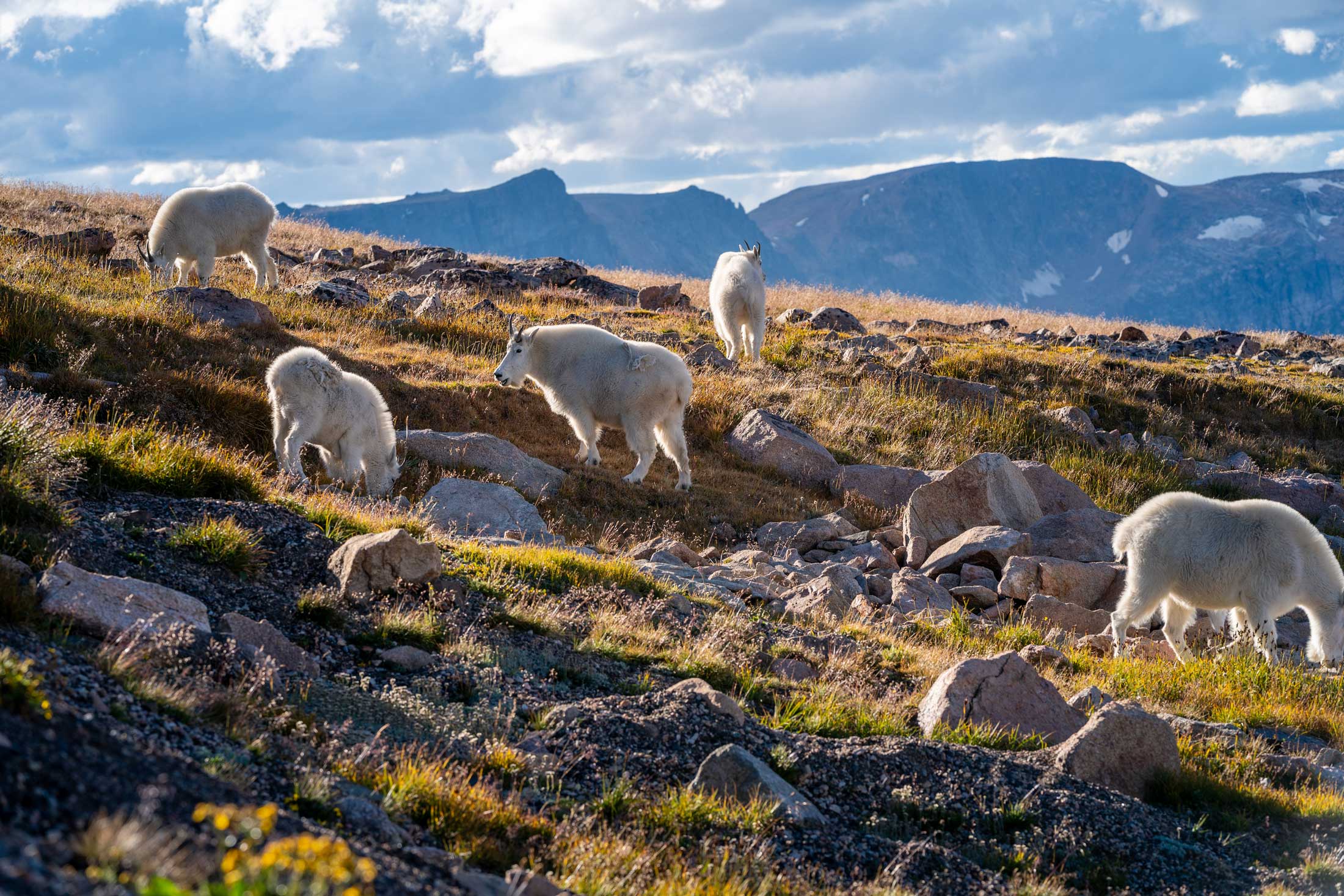
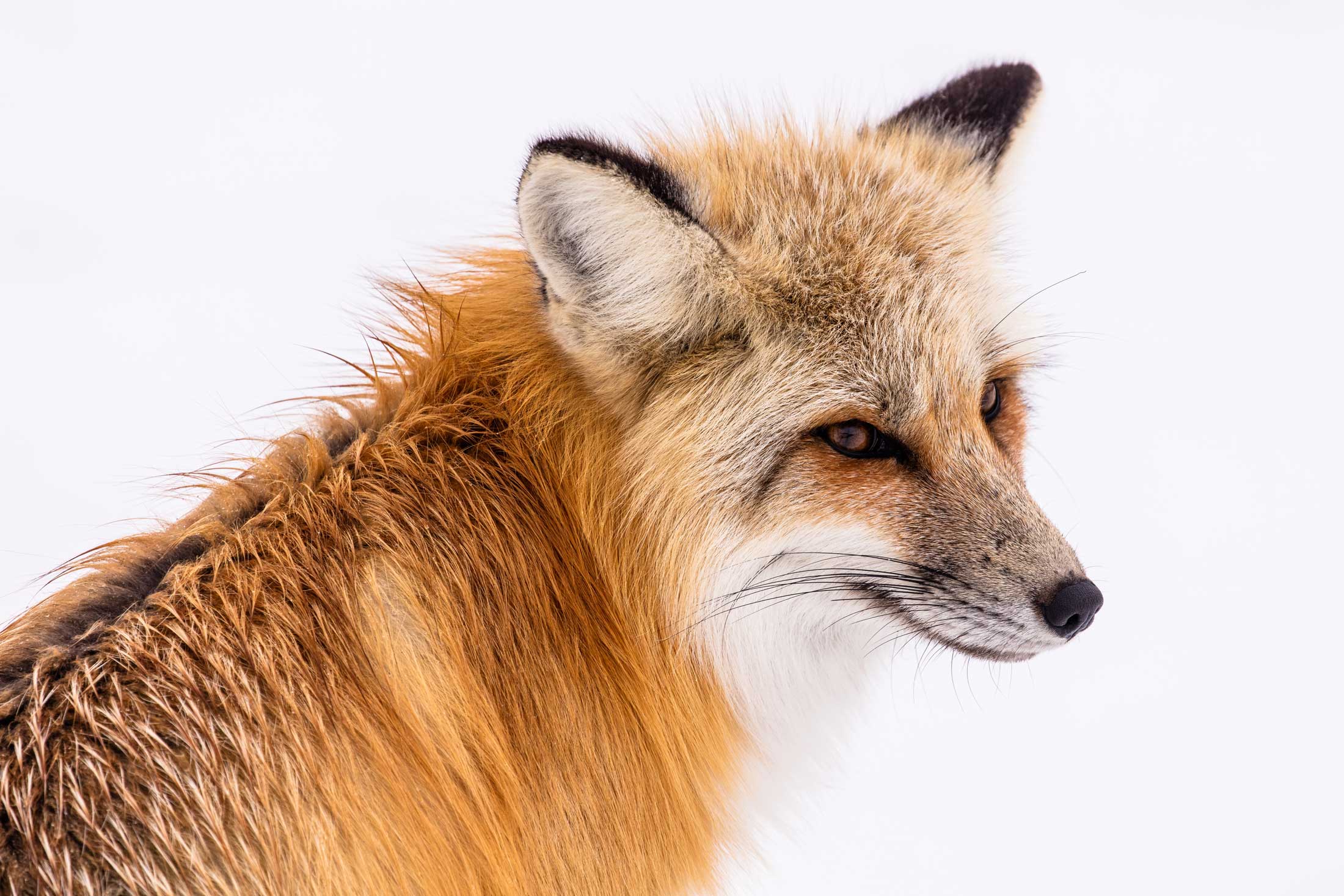
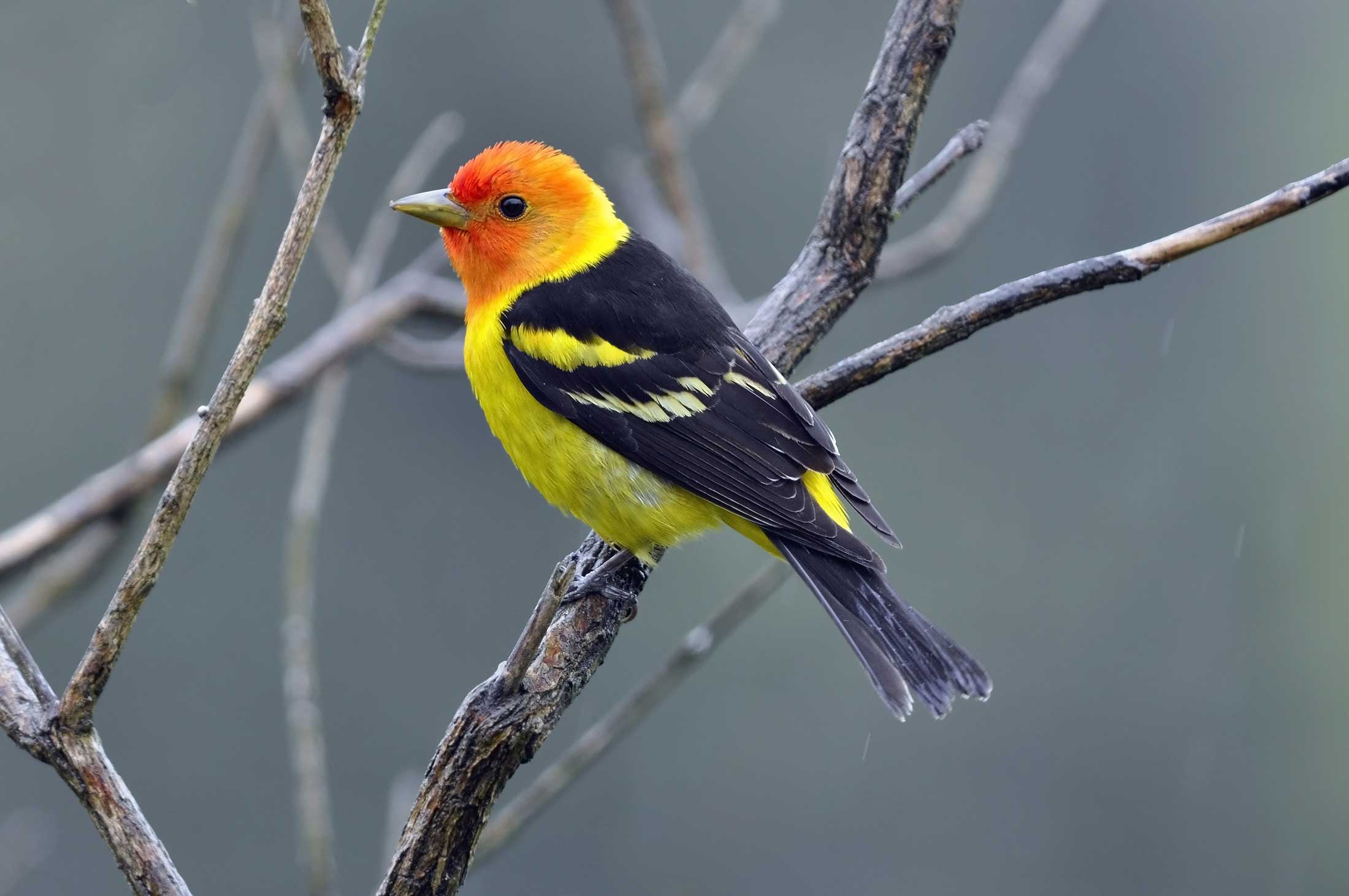
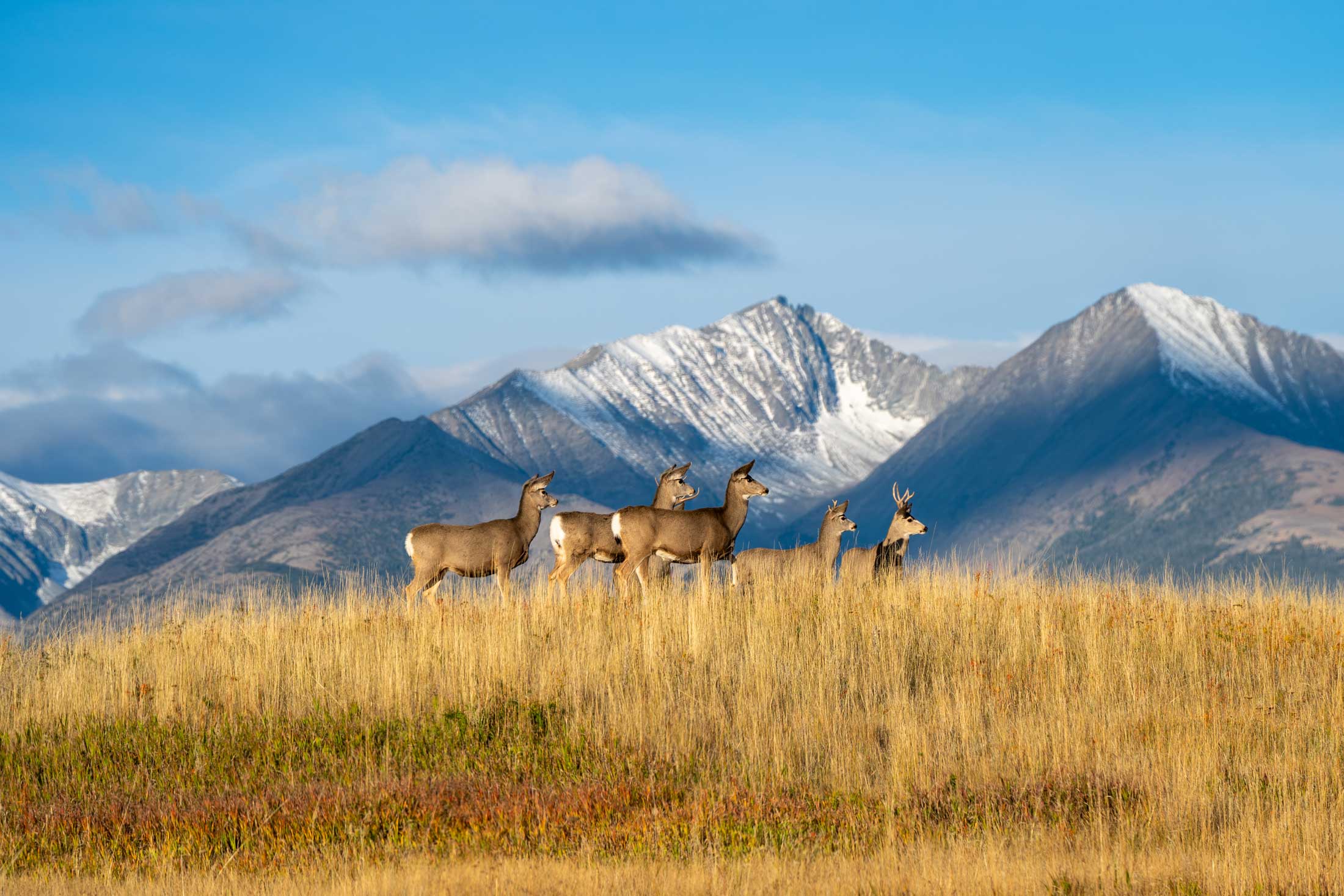
How to Live With Wildlife
- Never feed wildlife — not birds, squirrels or bears
- Give animals space: 100 yards from bears/wolves · 25 yards from all other wildlife
- Always carry bear spray and know how to use it
- Store attractants securely: bear-resistant trash cans, keep coolers inside
- Avoid bird feeders during bear season
Seasonal Awareness
- Moose protect calves — do not approach
- Bears most active in spring and fall — make noise on trail
- Deer and elk behave aggressively during rut and calving seasons
- Snakes more active in warm months
Wildlife on the Move: Roads + Fences
Wildlife–vehicle collisions are most common from dusk to dawn. Animals follow food, water and instinct — not fences or signs.
TO REDUCE YOUR RISK:
- Slow down in wildlife corridors
- Stay alert — if you see one animal, there may be more
- Watch for brake lights from other drivers
- If you hit an animal, call the local sheriff
Wildlife-Friendly Fencing
| Problem Fences | Better Fences |
|---|---|
| Too high to jump (over 40") | No higher than 40" |
| Too low to crawl under (under 16") | Bottom wire 16-18" off the ground |
| Wires spaced too closely | Smooth or flagged top wire for visibility |
| Full perimeter without wildlife gaps | Seasonal or lay-down fencing when possible |
Beavers, Fisheries + Stewardship
Protecting Our Fisheries
Native trout — including Yellowstone cutthroat and Westslope cutthroat — are sensitive indicators of stream health.
WHAT THEY NEED
- Cold, clean water
- Intact riparian zones
- Unfragmented habitat
- Steady streamflows
Aquatic Invasive Species (AIS): A Serious Threat
AIS are one of the greatest threats to Montana's rivers and lakes. Once introduced, they spread rapidly.
TOP THREATS
- Zebra and Quagga Mussels
- Eurasian Watermilfoil
- New Zealand Mud Snails
- Whirling Disease (pathogen)
Leave It to the Beavers
Beavers create habitat, slow water and help landscapes adapt to drought and flooding. Their work supports fish, amphibians, birds and riparian plants.
WHY THEY MATTER
- Dams slow water, creating wetlands and boosting groundwater recharge
- Their work supports fish, amphibians, birds and riparian plants
- They build natural drought and flood resilience into watersheds
406.393.5557
What You Can Do: Clean. Drain. Dry.
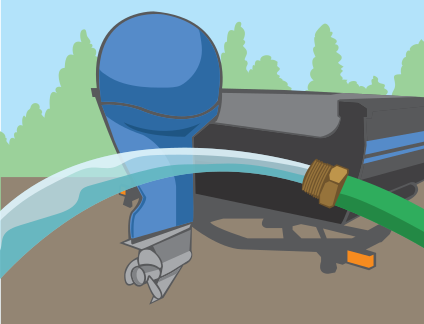
1. Clean
Remove all mud, plants and debris from boat and gear
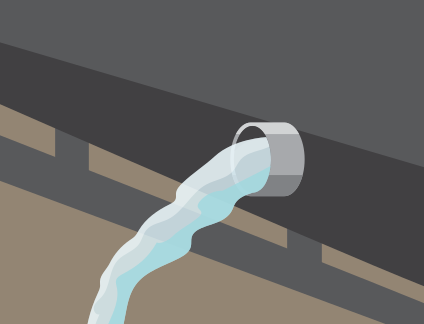
2. Drain
Drain water from boats, live wells and equipment
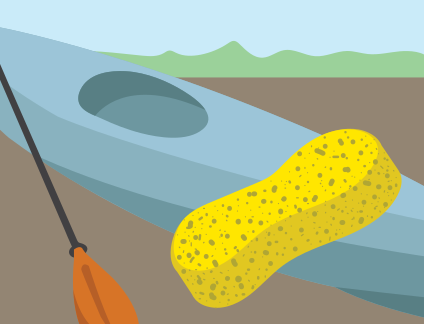
3. Dry
Dry everything completely before launching in another water body
All watercraft must stop at Montana AIS watercraft inspection stations. Report sightings: 1-800-TIP-MONT