Natural Disasters
Living With Risk — Not Fear
Wildfires, floods, snowstorms and earthquakes are all part of life here. Being prepared isn't just for folks living far from town — it's for everyone.
Wildfire: A Force We Live With
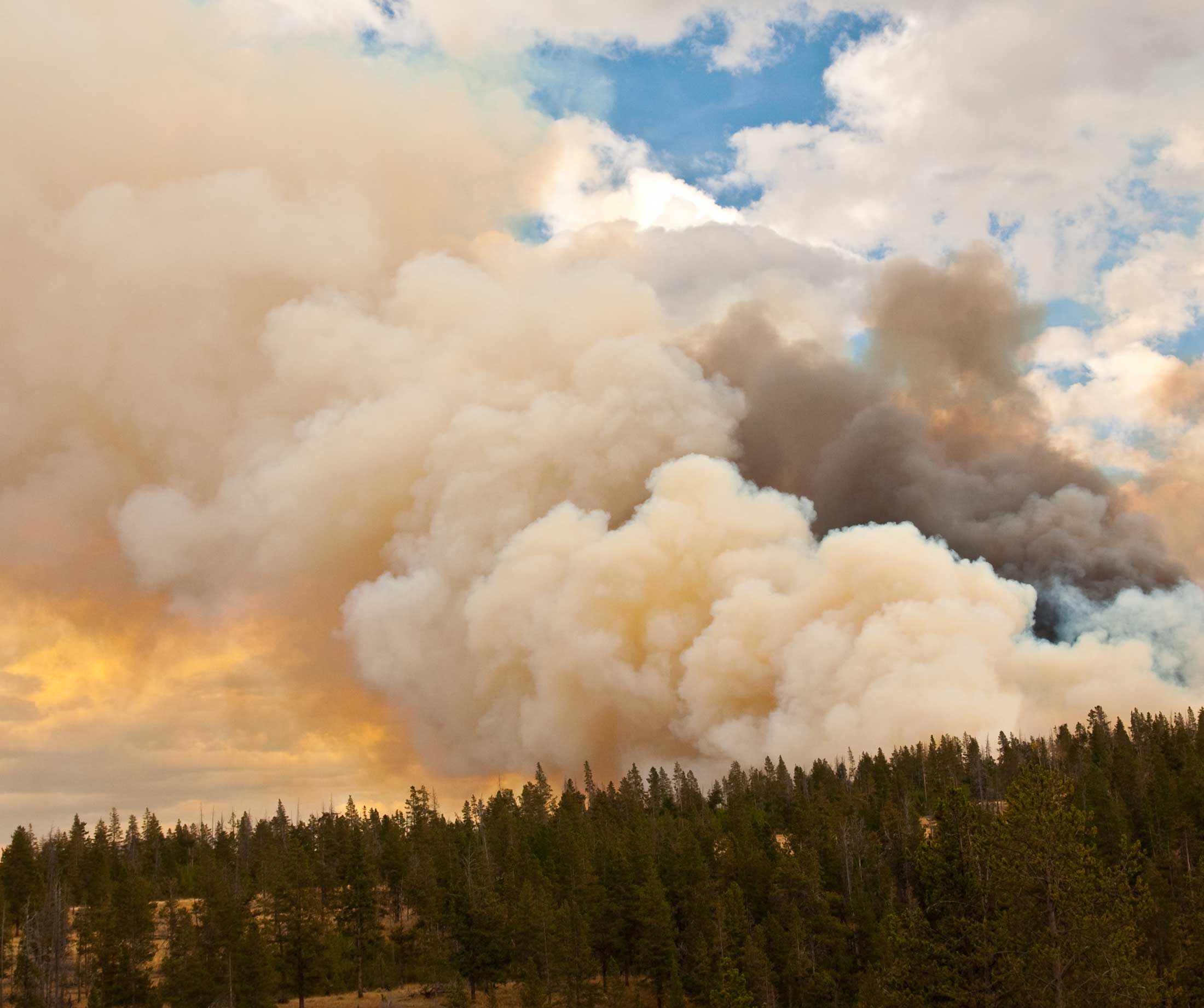
Fire is essential to forest and range health. Most homes lost to wildfire don't burn in the main flame front — they ignite from wind-blown embers that can travel more than a mile.
WHAT DRIVES WILDFIRE?
- Weather — hot, dry, windy conditions; low humidity
- Topography — fires move faster uphill; steep slopes accelerate spread
- Fuels — grass, pine needles, standing dead trees, decks, firewood piles
The Home Ignition Zone: Creative Defensible Space
A well-maintained “Home Ignition Zone” dramatically improves the chances your home survives.
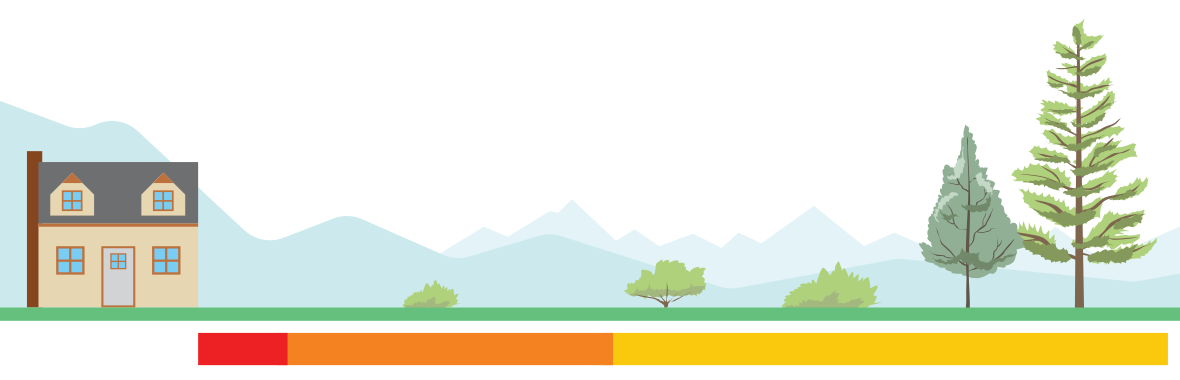
DISTANCE FROM HOME
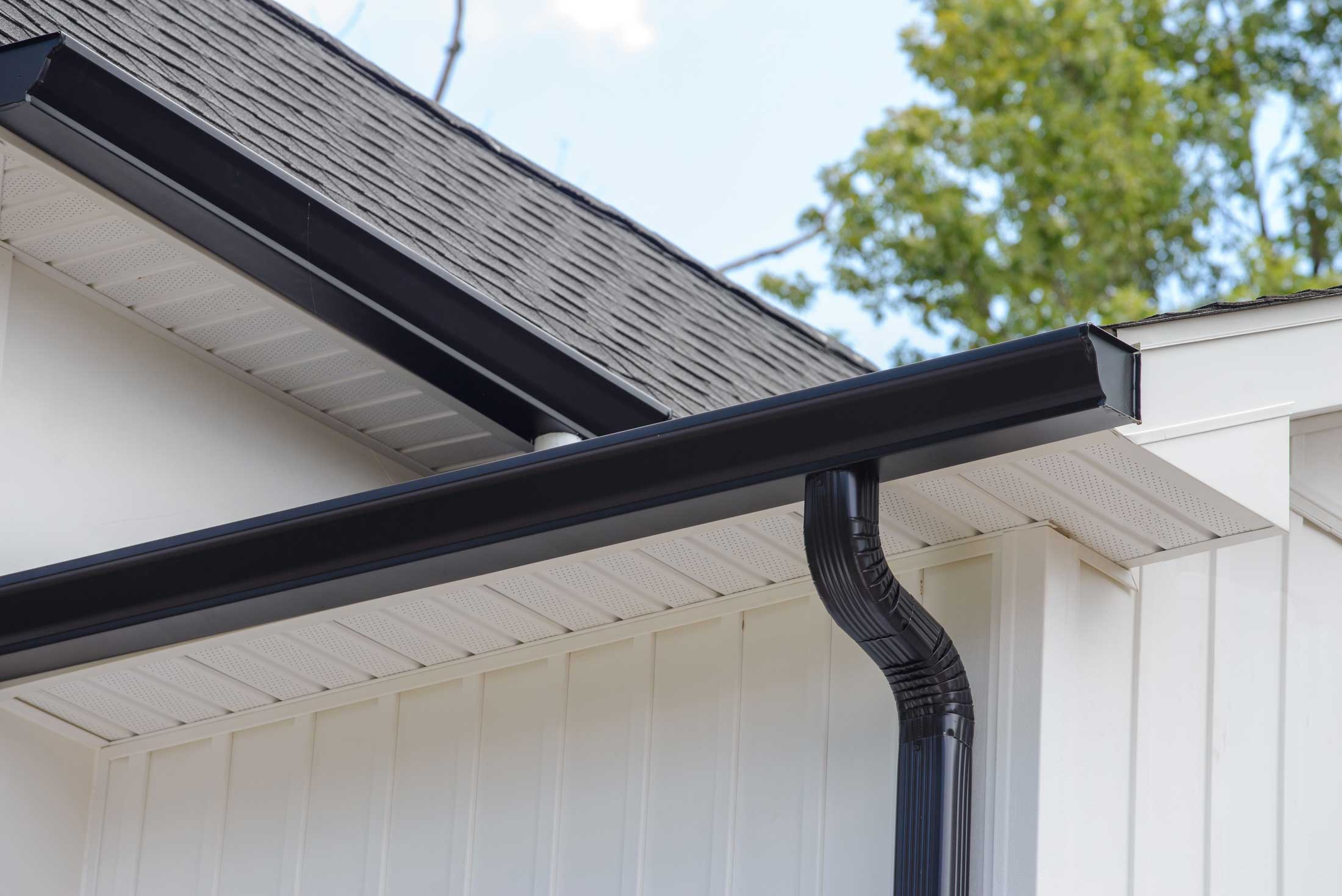
Immediate Zone (0–5 ft) — Non-flammable materials, remove debris from gutters, keep area clear
Intermediate Zone (5–30 ft) — Mow grass, use gravel, not wood chips, move wood piles away
Extended Zone (30–100+ ft) — Space trees/shrubs, clear dead branches, keep area open
Homes with 100 feet of defensible space are far more likely to survive a wildfire.
Ember Defense Checklist
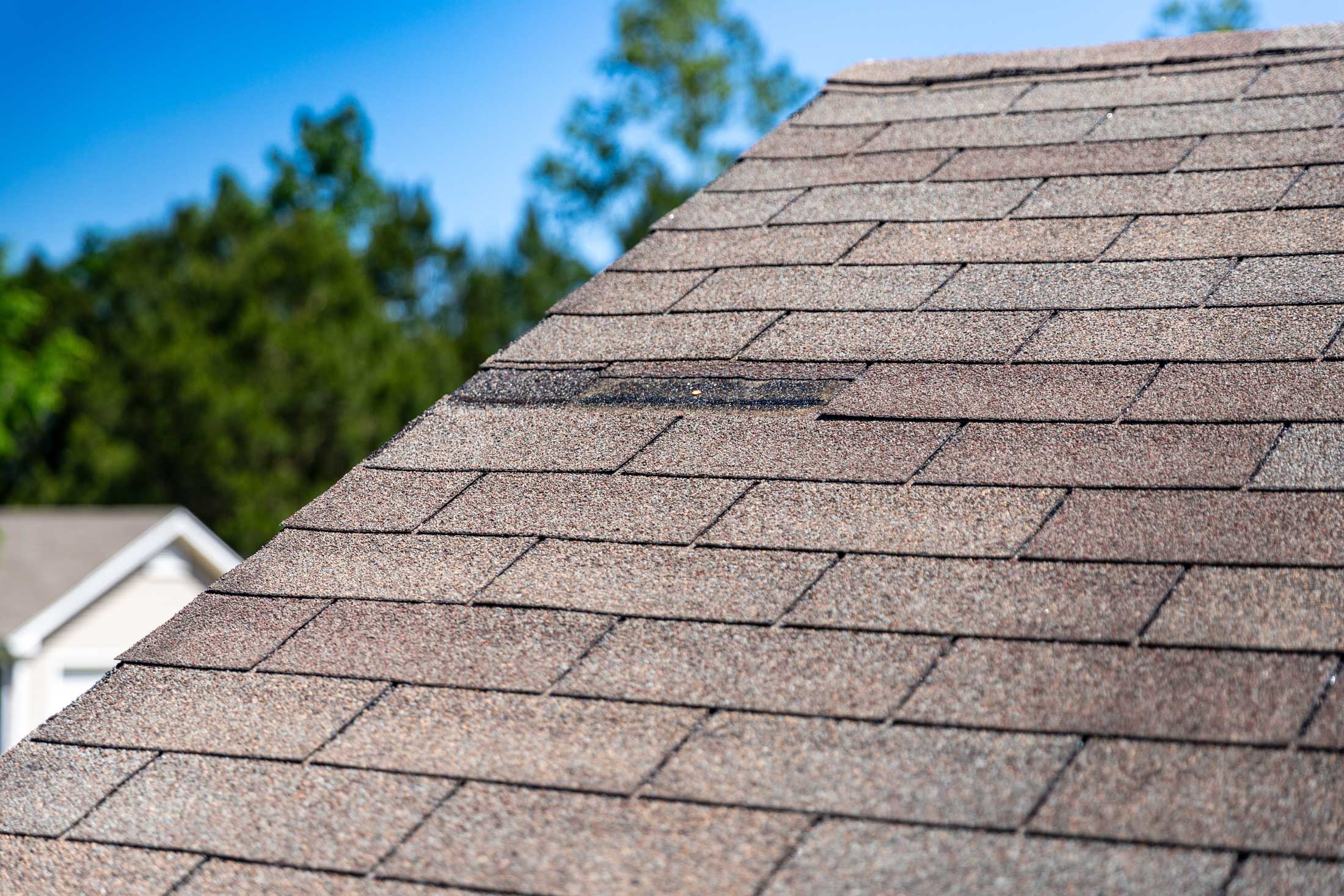
- Clean roof and gutters regularly
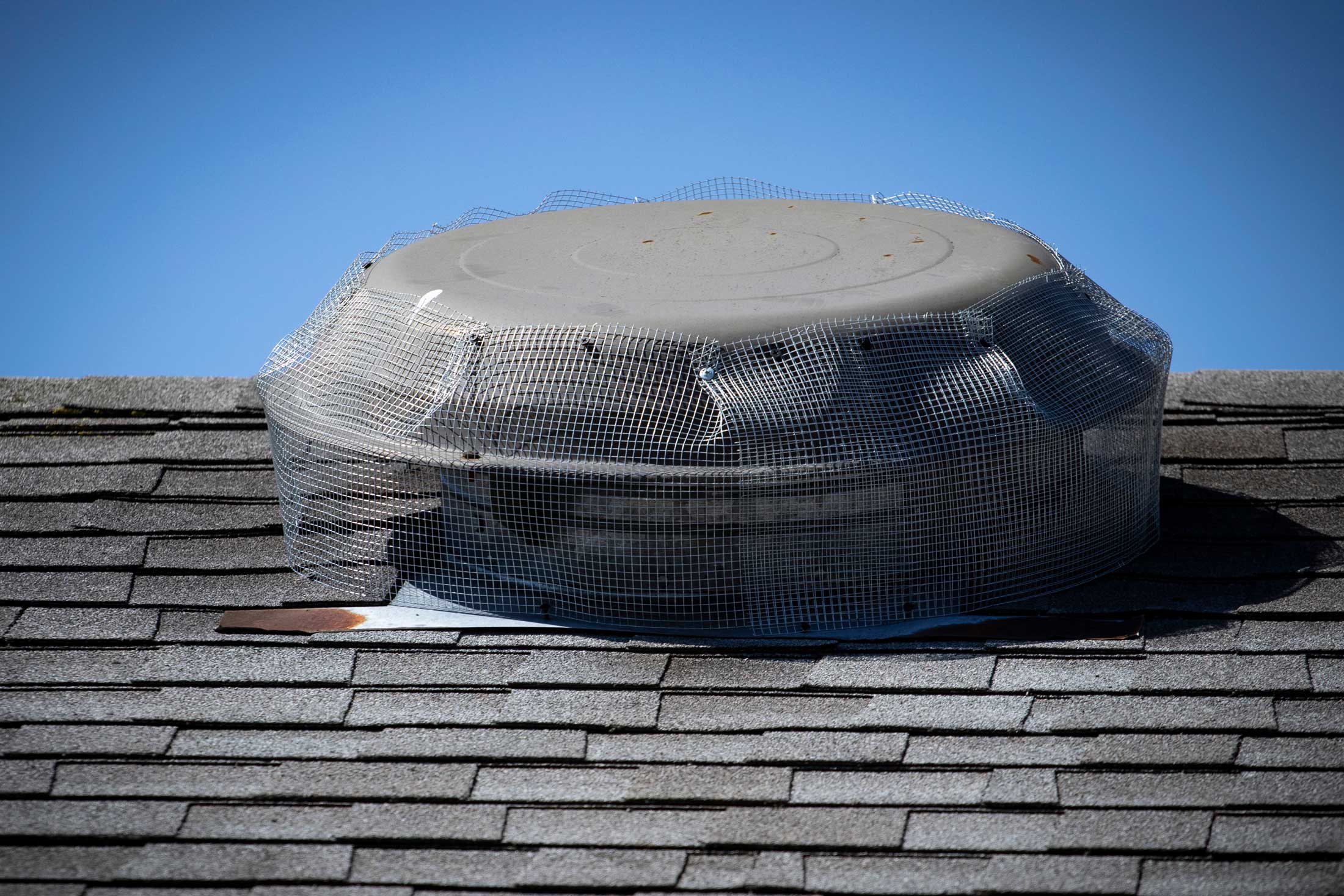
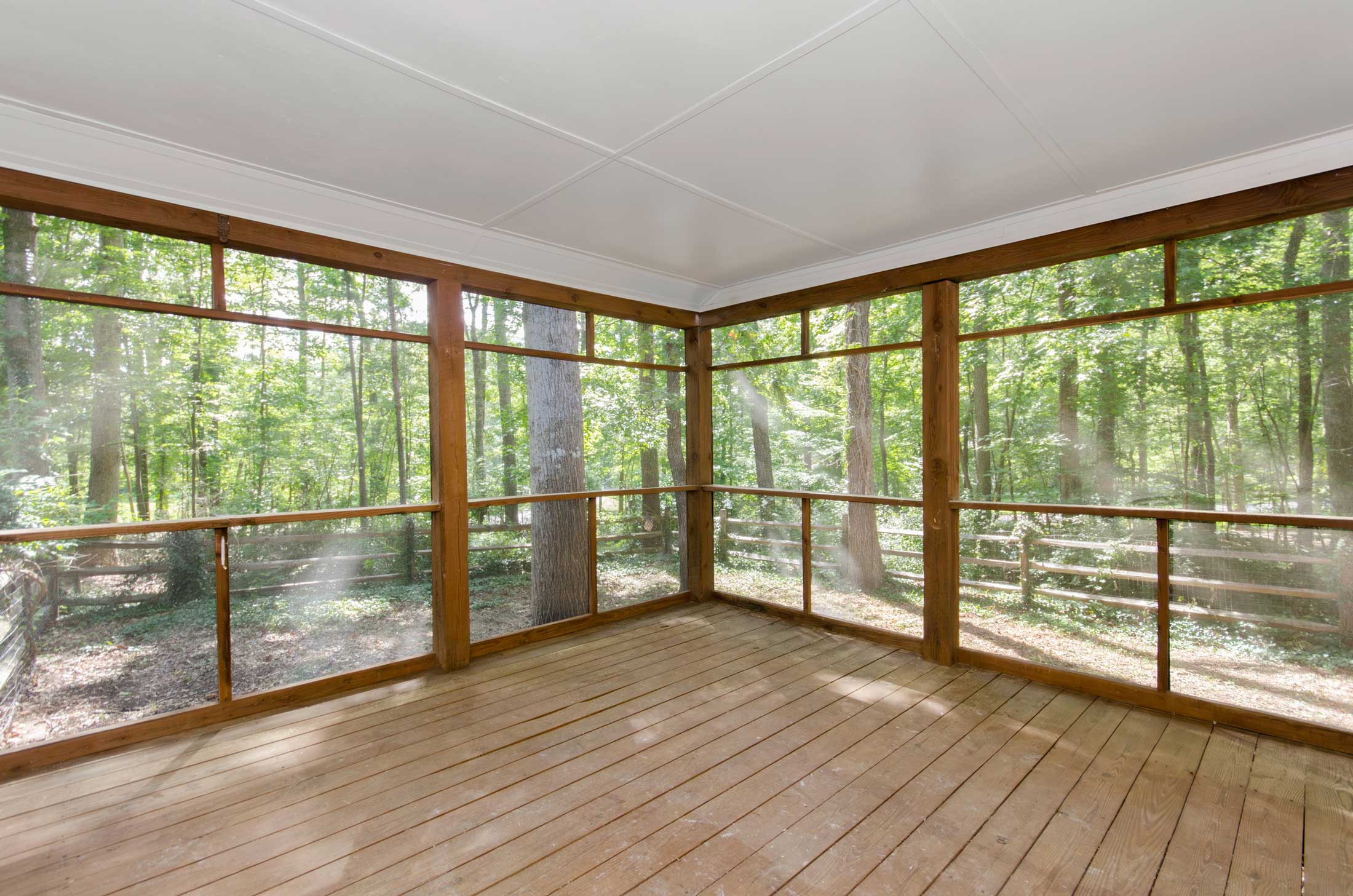
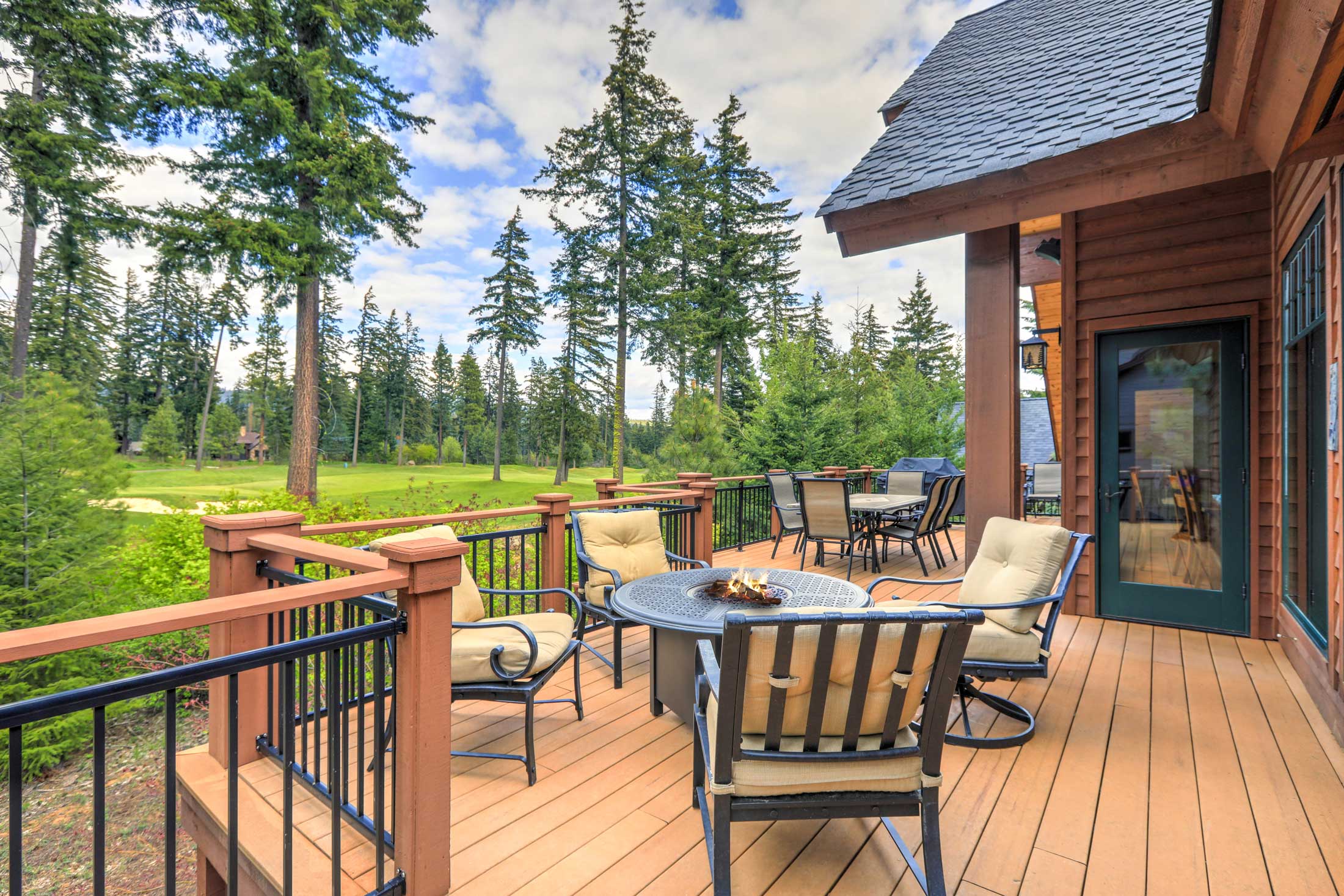
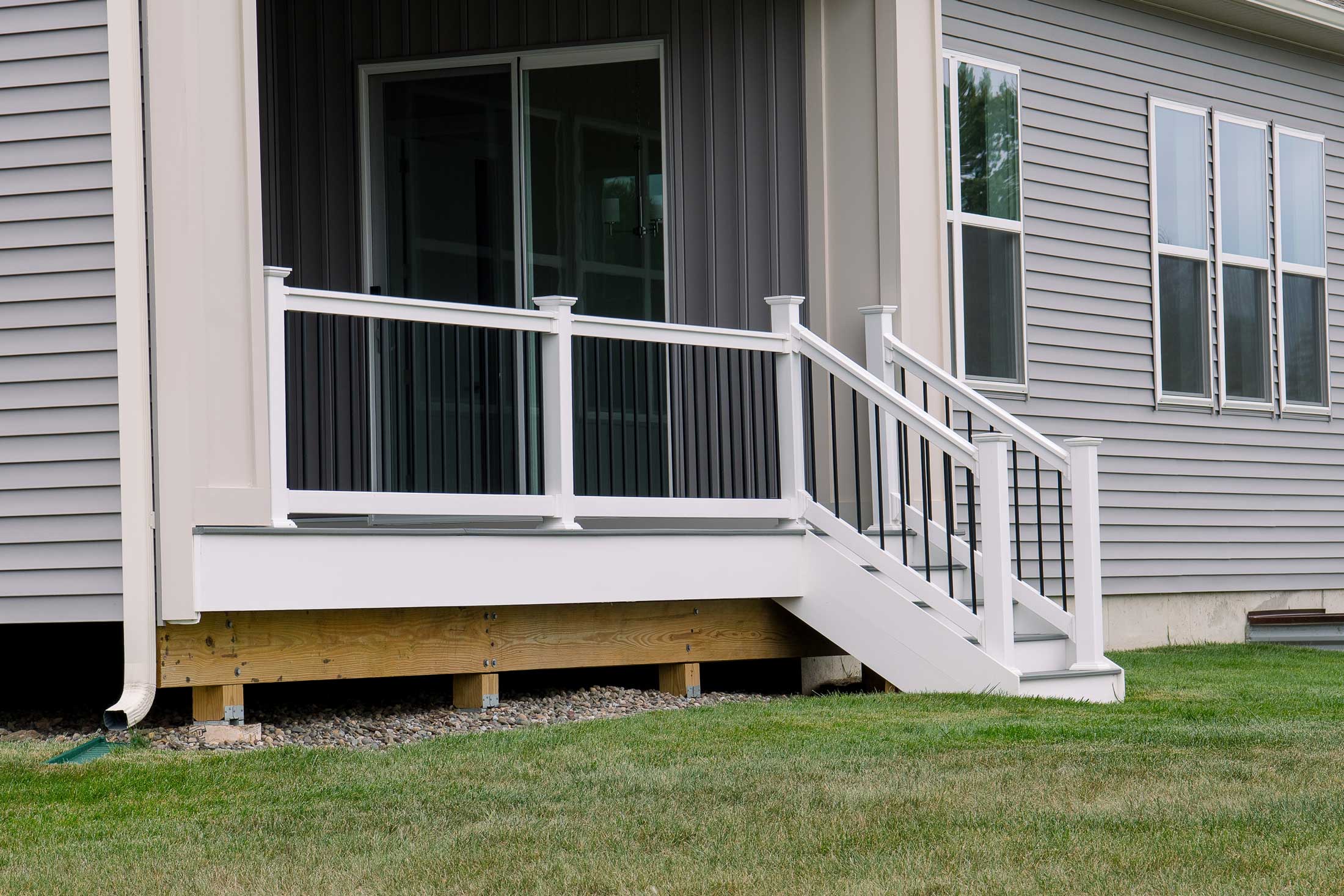
- Screen or enclose decks and attic openings
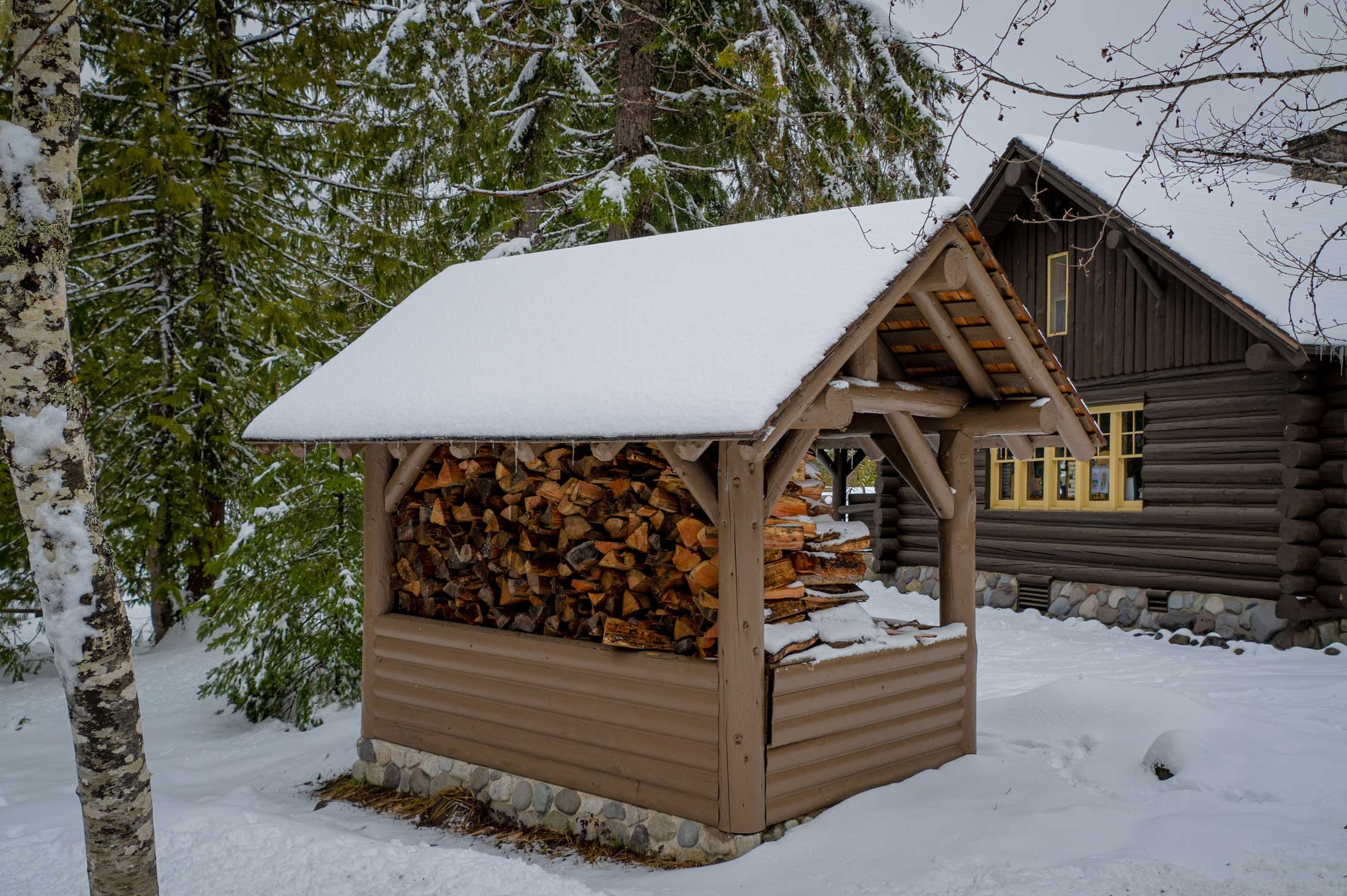
- Store firewood well away from structures
- Install metal mesh (1/8" or smaller) over vents
- Move flammable materials away from walls
Wildfire Smoke: The Unseen Risk
Wildfire smoke is now the leading source of air pollution in Montana. Check local air quality at AirNow.gov.
Who's Most at Risk
- Children
- Older adults
- People with heart or lung conditions
- Pregnant individuals
Protect Yourself During Smoke Events
- Stay indoors with windows closed
- Use a HEPA air purifier
- Create a clean room in your home
- Avoid vacuuming or burning candles
Flooding: It Can — and Does — Happen Here
Floods are the most common natural disaster in Yellowstone Country.
TYPES OF FLOODS
- Riverine Floods — rivers exceed banks (common in spring)
- Flash Floods — sudden heavy rainfall in steep terrain
- Ice Jams — ice blocks river flow during freeze/thaw
Flood Preparedness
- Know if you're in a floodplain or channel migration zone
- Keep culverts and ditches clear
- Don't drive through flooded roads
- Buy flood insurance — not included in standard policies
Earthquakes in Yellowstone Country
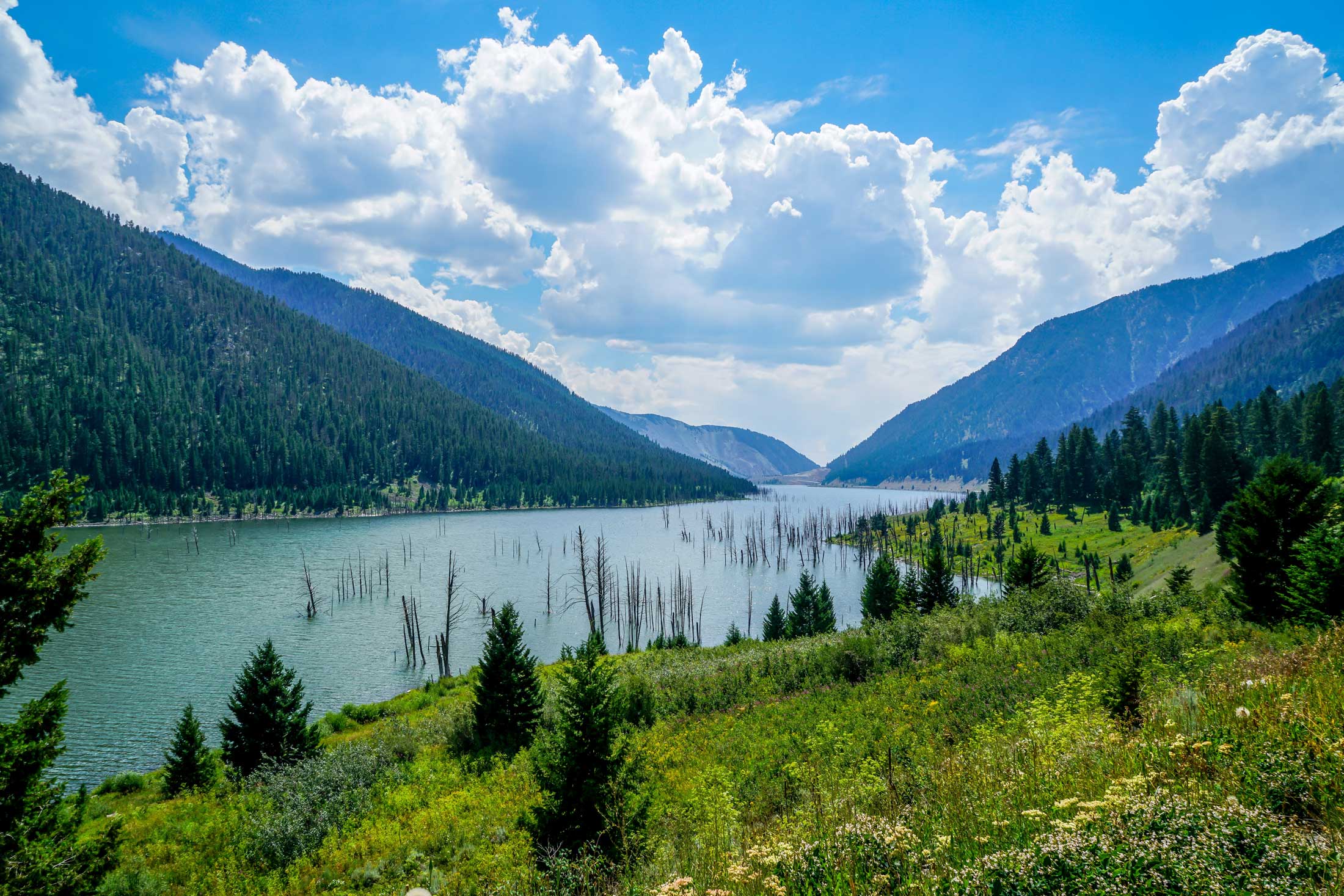
Montana is seismically active. The 1959 Hebgen Lake earthquake (7.3 magnitude) caused a deadly landslide and created Quake Lake.
EARTHQUAKE PREPAREDNESS
- Secure shelves, water heaters and heavy furniture
- Know how to shut off gas, water and electricity
- Practice 'Drop, Cover, and Hold On' drills
- Store emergency supplies: water, food, first aid, flashlight
Preparedness Is a Shared Responsibility
Being ready before disaster strikes can make all the difference.
Build an Emergency Kit
Include enough supplies to sustain your household for 72 hours.
- Water (1 gallon per person per day)
- Non-perishable food and can opener
- First-aid kit and medications
- Flashlight and extra batteries
- N95 masks
- Phone chargers or battery packs
- Copies of important documents
- Pet supplies
Make a Household Plan
TALK THROUGH:
- Emergency meeting locations
- Local and out-of-state emergency contacts
- How you'll evacuate
- Who will help elderly or isolated neighbors
KNOW YOUR LOCAL RESOURCES
- Fire department and rural fire district
- County disaster and emergency services
- Search and rescue teams
- Evacuation zones and routes
Be a Good Neighbor in Crisis: Montanans are known for stepping up. Check on elderly or vulnerable neighbors. Keep extra food, water and gear on hand to share. Don't rely on cell service.