Land
A Living Landscape
Montana's Yellowstone Country isn't just scenic — it's working land. For generations, people here have farmed, ranched and relied on the land for their livelihoods.
Terrain + Climate: Plan For
- Dry, windy summers and high fire danger
- Early snow at elevation and heavy winter storms
- Flash flooding during spring runoff or intense rain events
- Freeze-thaw cycles that damage roads and infrastructure
Supporting Local Agriculture
In the 1950s, about 70% of Montana's food was grown in-state. Today, that number is under 3%. A new generation of producers is reconnecting people to place through food.
Ways to Support
- Shop at farmers markets
- Look for Montana-grown products at restaurants
- Use Abundant Montana to find local food sources
- Support Farm to School programs
- Visit local farms or ranches that offer tours
Your Role as a Neighbor to Agriculture
Being a good neighbor means understanding the realities of working lands.
- Fields and pastures are not public recreation spaces
- Farm equipment is slow — don't pass aggressively
- Ranching means dust, early mornings, large animals and strong smells
- Harvest and irrigation may run outside 'normal' hours
Native Plants + Noxious Weeds
Native plants support pollinators, prevent erosion and require less water. Noxious weeds spread aggressively and degrade habitats.
WHAT YOU CAN DO
- Learn to identify and control noxious weeds
- Avoid spreading seeds on boots, tires or pets
- Don't confuse dandelions or other 'weedy' natives with true noxious species
Native plants
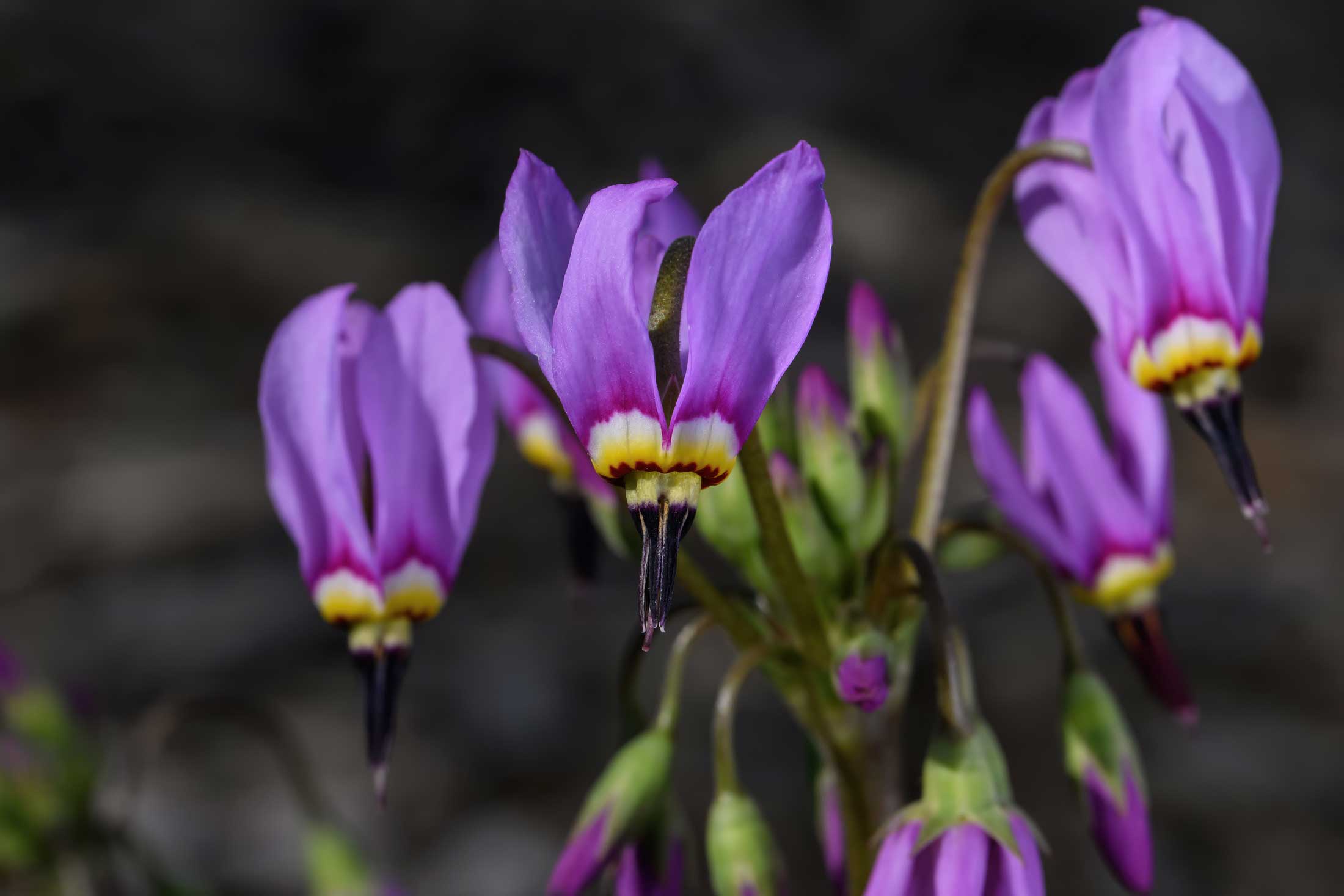 + Few-flowered Shootingstar
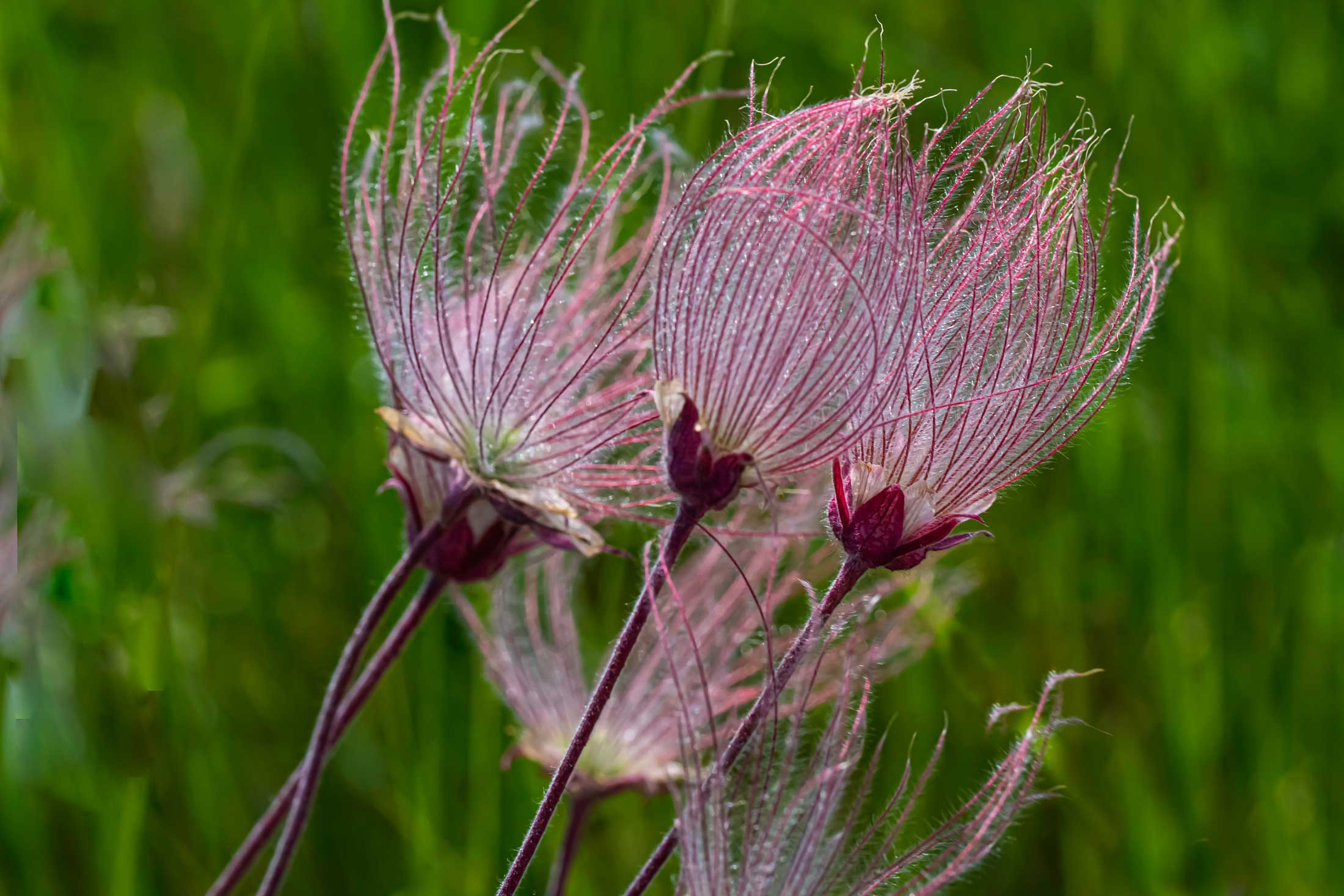 + Prairie Smoke
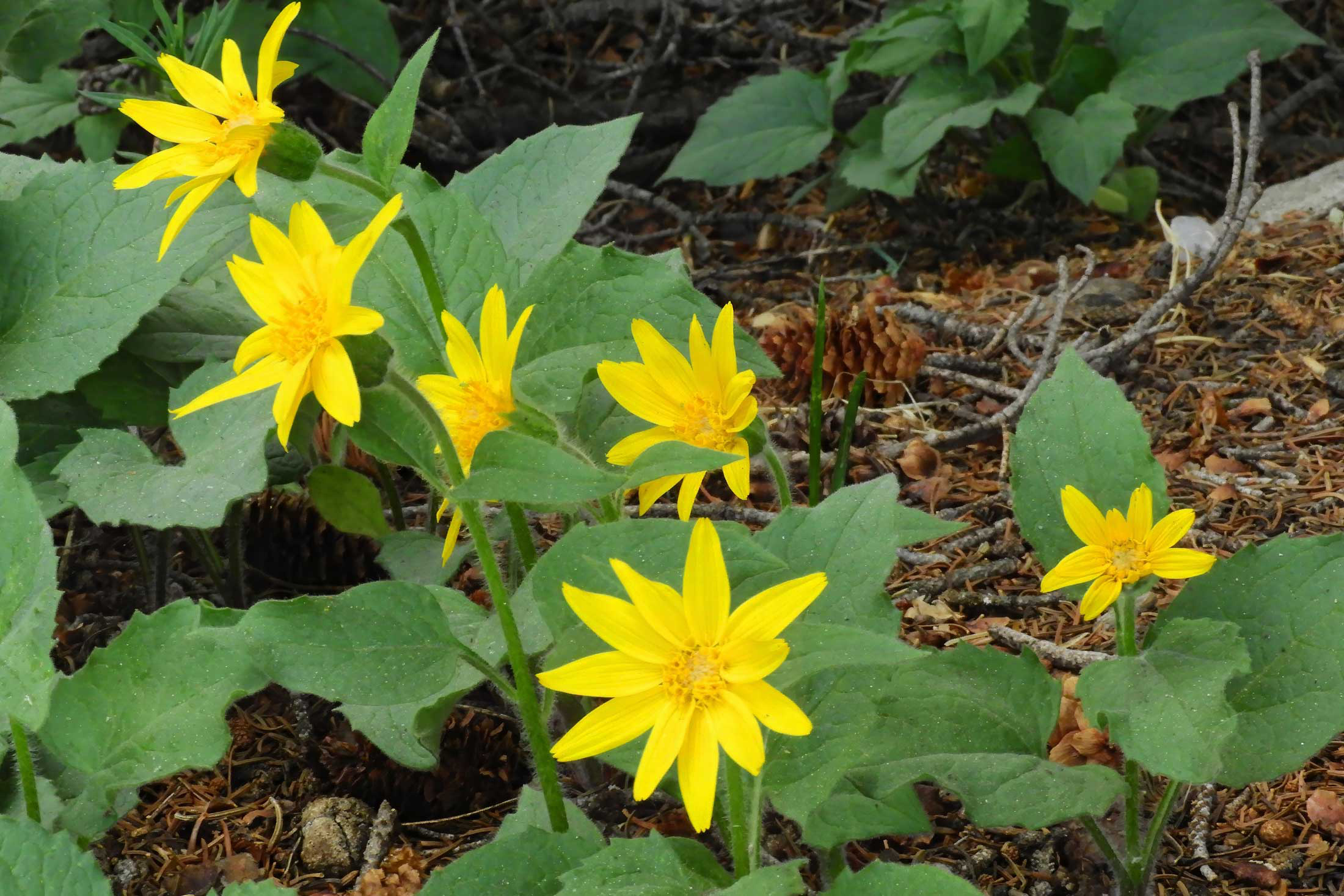 + Heart-leaved Arnica
Noxious weeds
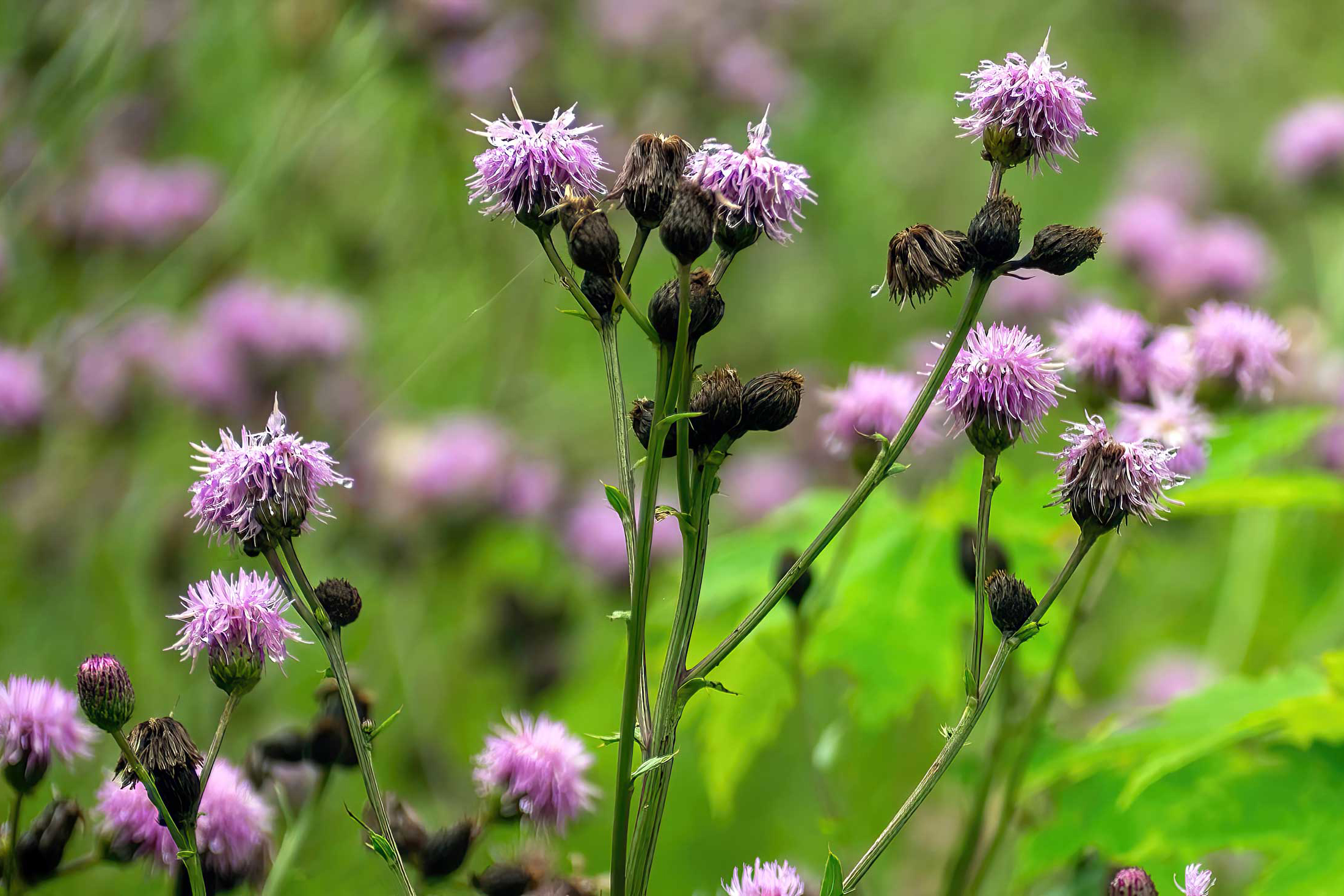 + Canada Thistle
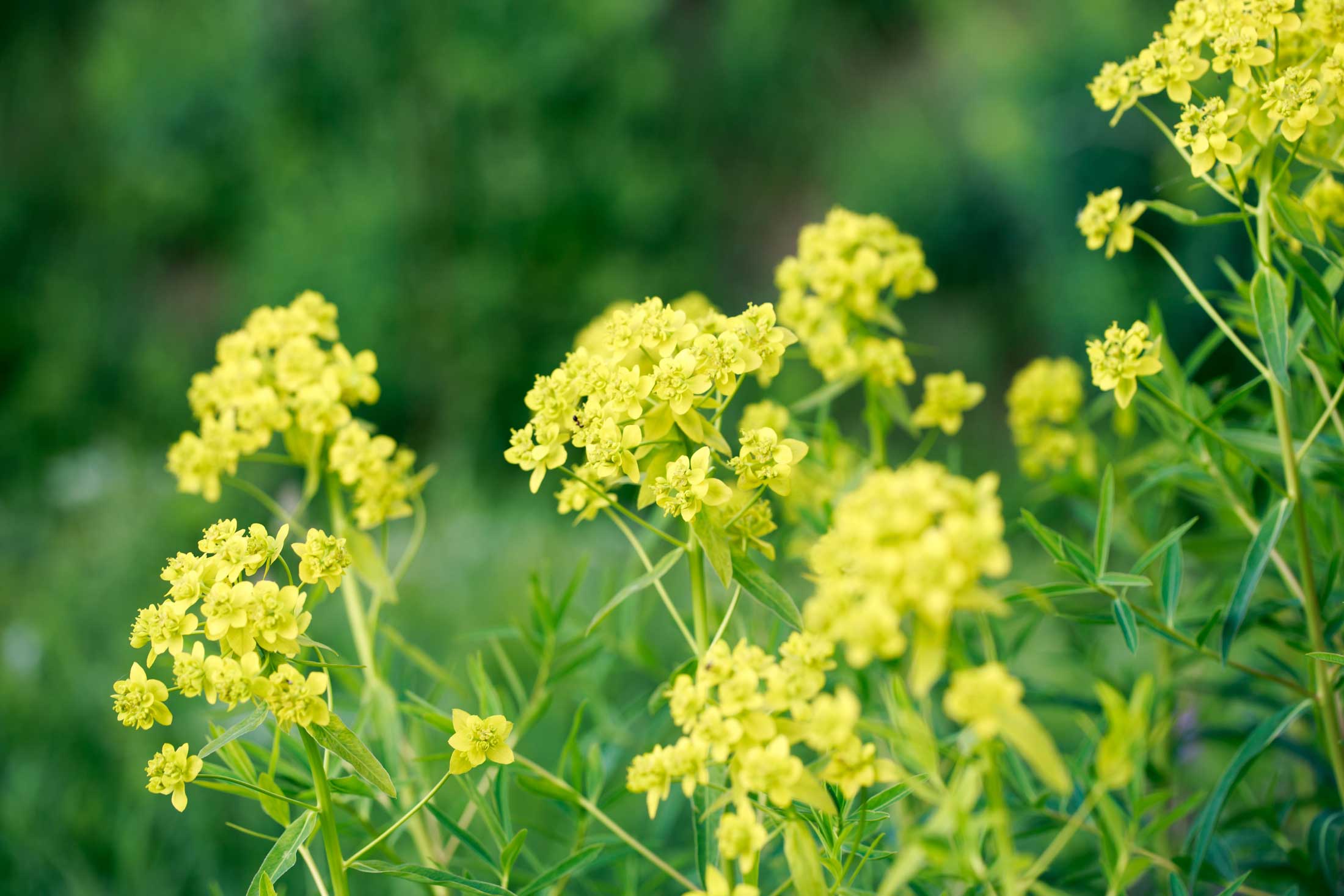 + Leafy Spurge
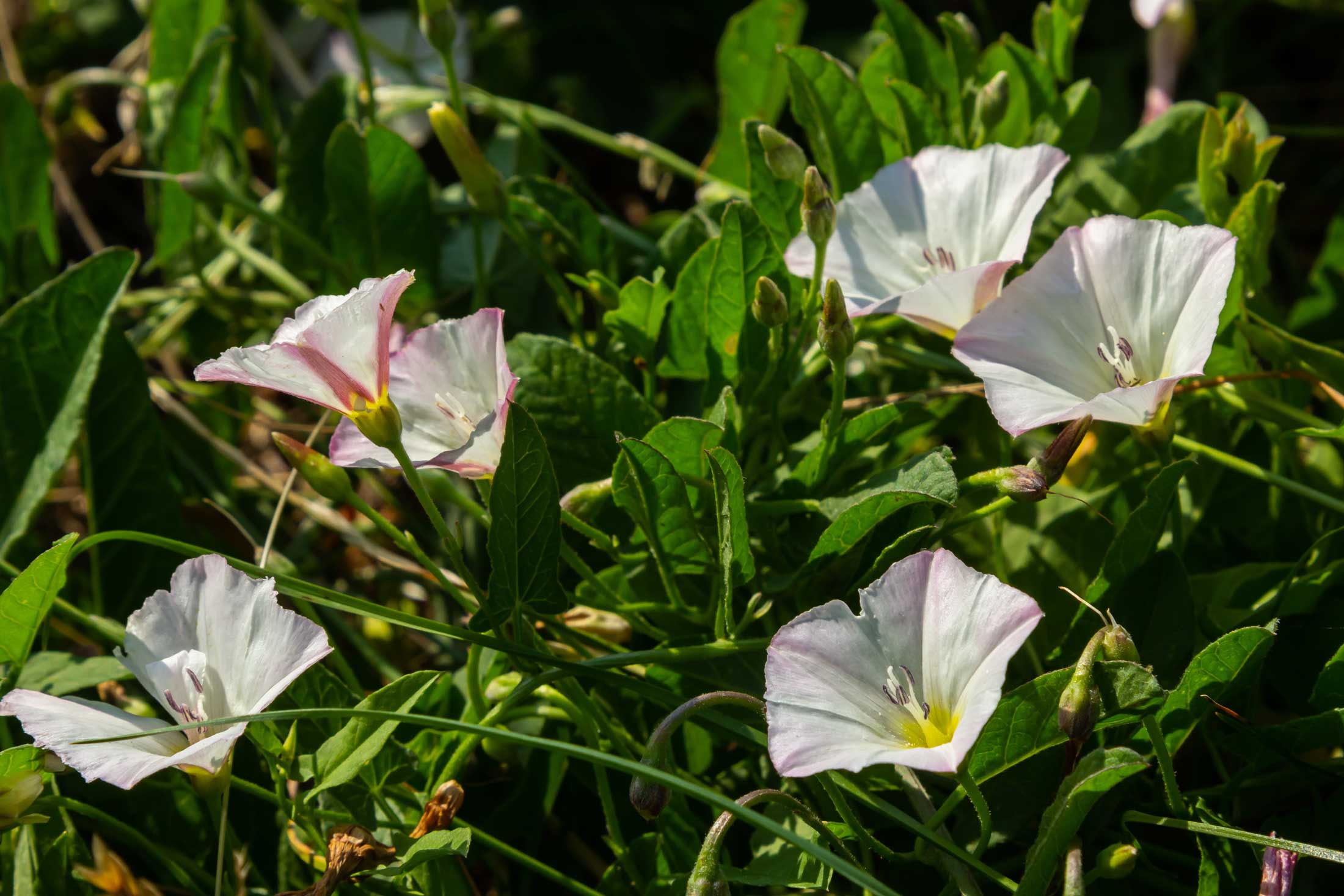 + Field Bindweed
Preserving Montana's Dark Skies
Our low population and vast open space give us naturally dark skies. Light pollution disrupts wildlife, sleep patterns and natural ecosystems.
Responsible Outdoor Lighting Tips
- Only install lights where truly necessary
- Use motion sensors or timers
- Choose warm-colored LEDs
- Aim light downward and shielded
- Turn off lights when not in use
Living With the Land Means Planning Ahead
Water: Wells + Rights
- Test your water annually
- Keep wellheads protected from flooding and runoff
- Water rights follow “first in time, first in right” system
Road Conditions + Travel
- Check 511mt.net before traveling
- Carry emergency gear in winter
- Avoid backroads during mud season
Waste Management + Recycling
Trash and recycling systems vary across counties. Contact your county sanitation office for local rules.
Septic Systems
- Pump your tank every 3–5 years
- Don't pour grease or chemicals down the drain
- Conserve water to avoid overloading the system
Know the Laws That Shape the Land
Montana Water Rights 101
- Water use governed by legal rights — not land ownership
- “First in time, first in right” applies during shortages
- Irrigation ditches may cross private property
- Diverting water without rights is illegal
Montana's Open Range Law
Most of Montana is open range — livestock can legally roam unless fenced out. It's the landowner's job to fence animals out, not the rancher's to fence them in.
Right to Farm + Ranch
Montana law protects agricultural operations from nuisance complaints related to dust, noise, smells, early/late hours, livestock and equipment.
Everyday Practices That Matter
- Keep native vegetation intact to reduce erosion and wildfire risk
- Plant pollinator-friendly flowers and mow less frequently
- Remove noxious weeds without overusing herbicides
- Maintain riparian buffers along creeks or ditches
- Give wildlife space to migrate through your land
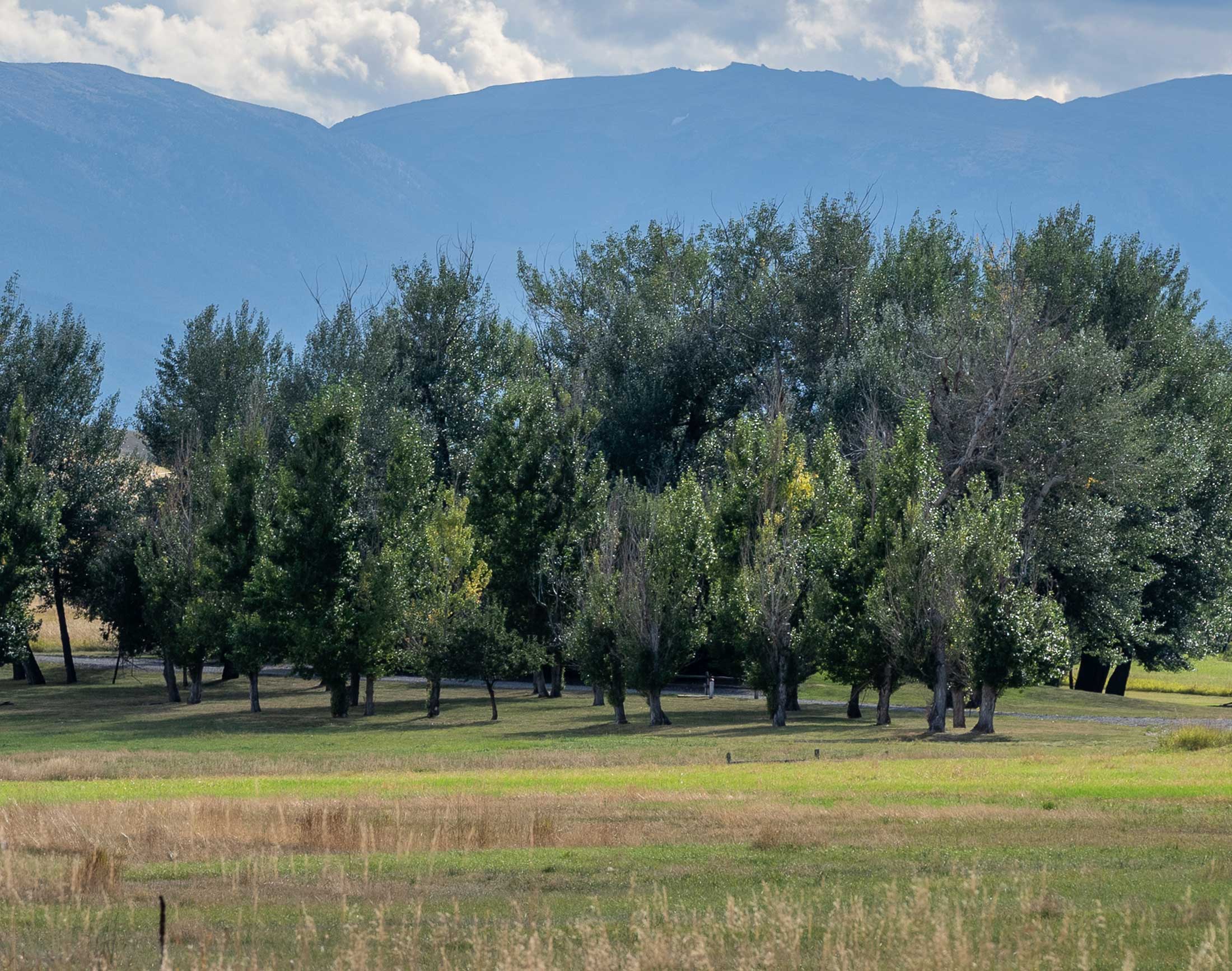
1 in 4 North American bumblebee species is considered endangered. Support pollinators by planting native wildflowers, mowing less and reducing pesticide use.